 Healing
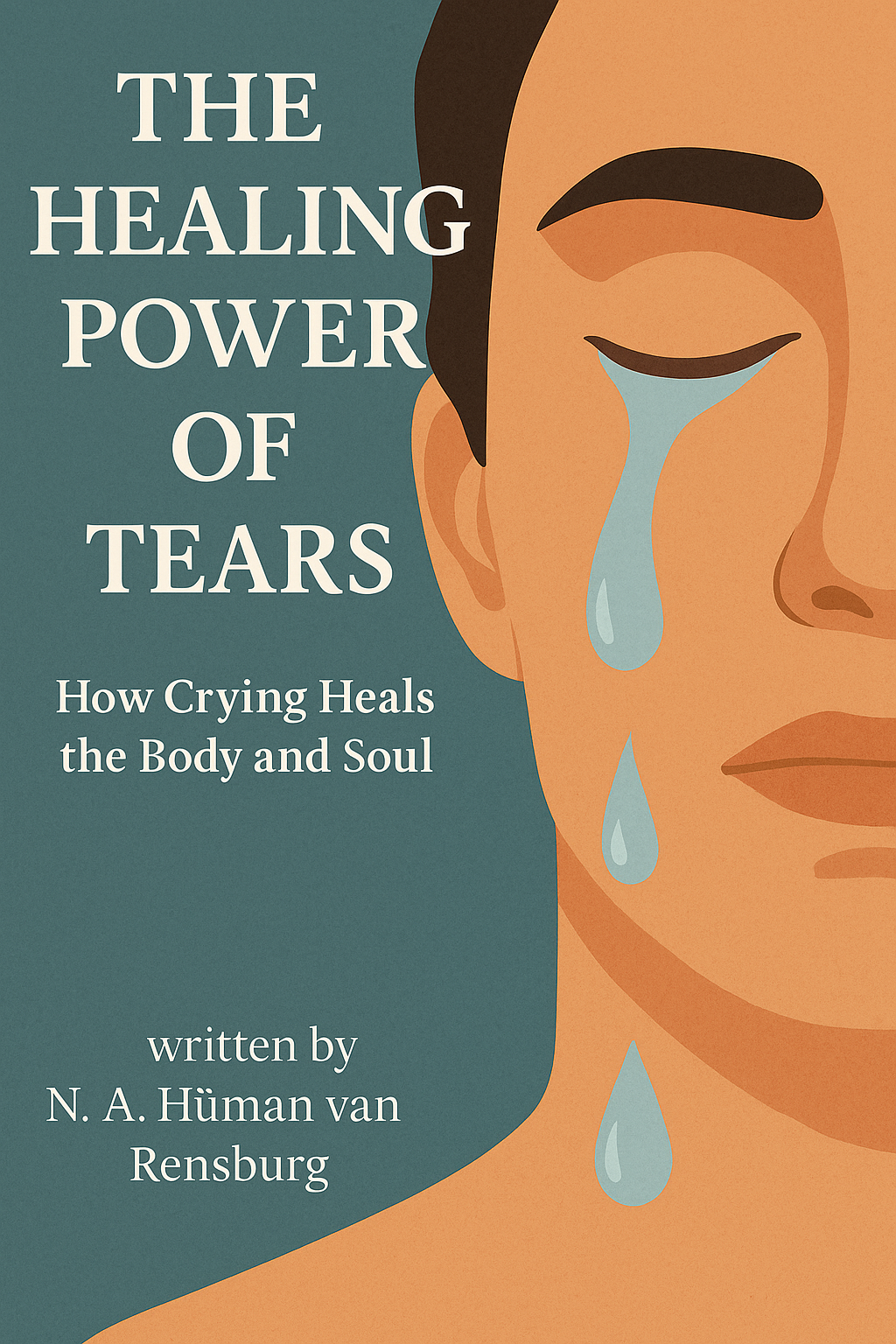
 The Healing Power of Tears: How Crying Heals the Body and Soul
Research source: News Medical
Tears are a natural outlet for intense emotions. Far from being a sign of weakness, crying is a built-in human mechanism for healing and release.
Chapter 1: Introduction, Crying Is Not Weakness but Human Healing
Throughout history, wise observers have noted that crying can be purifying, an act that drains and cleanses us of anguish. Ancient Greek and Roman physicians believed tears work like a purgative, literally expelling distress from the body [Harvard Health]. In modern times, however, cultural stigma, especially for men, has labeled crying a weakness. Boys are often told to “man up” and hold back tears, as if emotional suppression were a virtue [Harvard Health].
This harmful myth has caused many men to bottle up feelings, with serious consequences like emotional withdrawal, unhealthy coping (e.g. substance abuse), or even suicidality [Harvard Health].
The purpose of this exploration is to break that stigma. Science now confirms what the ancients sensed: tears are a natural healing system, not a weakness. Crying is a uniquely human biological response that helps us release stress, process pain, and ultimately feel better after we cry [Harvard Health].
If you have ever noticed feeling exhausted but cathartically “lighter” after a good cry, there is a reason. As we’ll explore, tears actually carry away the chemicals of stress and trigger our bodies to calm down and recover. In the chapters ahead, we will delve into the biology of tears, how crying benefits your physical and mental health, and why giving yourself permission to cry, especially if you’ve been taught not to, is one of the healthiest things you can do. Crying is not the mark of fragility; it is beautifully, wholly human, a sign of courageous emotional honesty and a powerful form of self-healing [Dr. Judith Orloff].
Chapter 2: The Biology of Tears, Types and Their Purpose
Human beings produce three types of tears, each with distinct roles and composition [Harvard Health]. Understanding these will help make clear why emotional tears (the kind we cry from feelings) are so special. The three types are:
Basal Tears (Continuous Tears)
These are the basic tears our eyes secrete constantly in tiny amounts to lubricate and nourish the eye. Basal tears contain water, oils, mucus, and proteins (like lysozyme, an antibacterial enzyme) that protect the cornea from infection and keep it moist [Cleveland Clinic] [Dr. Judith Orloff]. Every time you blink, basal tear fluid bathes the eye, delivering oxygen and nutrients since the eye has no direct blood supply [Cleveland Clinic]. Without basal tears, our vision would blur and our eyes would dry out.
Reflex Tears (Irritant Tears)
These are produced in response to external irritants, for example, smoke, dust, or chopping an onion. When irritant sensors in the eye are triggered, the lacrimal glands flood the eye with reflex tears to wash out the offending substance [Cleveland Clinic]. Reflex tears are what stream down your face when you get fumes in your eyes or when you vomit or sneeze hard [Cleveland Clinic]. They are chemically similar to basal tears (mostly water, with infection-fighting enzymes and electrolytes) [Cleveland Clinic], though some proteins like tear lipocalin increase to help clear debris [News Medical]. Essentially, reflex tears act as an emergency eyewash and shield, flushing out harmful particles and protecting the eye’s surface.
Emotional Tears (Psychic Tears)
These tears pour out in response to strong feelings, whether of grief and pain or of joy and overwhelm [Cleveland Clinic]. Emotional tears contain the same base components (water, salts, enzymes) as the other types, but with one crucial difference: they carry significantly higher levels of stress hormones and other chemicals related to emotion [Cleveland Clinic] [Medical News Today].
We cry emotional tears when we’re deeply sad, heartbroken, scared, extremely frustrated, or even touched by profound happiness. They are the physical expression of intense internal experiences. When people talk about the “healing power” of crying, it is chiefly about emotional tears. These tears are our body’s way of regulating emotional stress, as we’ll see, they literally help purge stress-related substances from our system [Cleveland Clinic].
It’s worth noting that humans appear to be the only animals that shed emotional tears (many animals have reflex tears to lubricate eyes, but crying from emotion is uniquely human) [Dr. Judith Orloff] [Fact Retriever]. This hints that emotional tears serve an important purpose in human biology and social behavior.
Chapter 3: Emotional Tears as a Chemical Purge
One of the most fascinating discoveries of modern tear research is that emotional tears carry a “chemical signature” of our feelings. In other words, when you cry from sadness or joy, your tears are chemically different from normal protective tears, and even different from tears of a different emotion. Emotional tears are enriched with a variety of hormones, neurotransmitters, and other molecules that accumulate during stress or intense emotion [News Medical] [Dr. Judith Orloff].
Scientists believe that by shedding these substances in tears, we literally flush them out of our body, which helps reduce their effects and makes us feel better [Dr. Judith Orloff] [Harvard Health].
Notably, emotional tears have been found to contain higher levels of stress-related hormones such as adrenocorticotropic hormone (ACTH) and cortisol, as well as adrenaline (epinephrine) and noradrenaline [News Medical] [Dr. Judith Orloff]. These are hormones involved in the “fight-or-flight” stress response. When we cry from emotional overwhelm, we expel some of these stress hormones in our tears, effectively lightening the hormonal load on our body.
Emotional tears also carry away other waste products of stress. Dr. William Frey, a biochemist who pioneered tear research, found that while reflex tears are 98% water, emotional tears contain many toxic byproducts of stress that the body dumps out through crying [Dr. Judith Orloff]. This chemical “purging” might explain why people often report feeling relief after a cry, the tears themselves are carrying stress out of the body.
Emotional tears don’t just remove stress chemicals; they also contain natural painkillers and mood enhancers. Researchers have detected Leu-enkephalin, a type of endorphin (endogenous opioid), in emotional tear fluid [News Medical]. Endorphins are the body’s own pain-relief and pleasure chemicals. Crying also triggers the release of oxytocin, the “cuddle hormone,” and more endorphins in the brain, which can soothe pain and boost well-being [Harvard Health].
“A good cry can chemically resemble a dose of natural medicine: lowering stress hormones while raising pain-killing, pleasure-inducing hormones.”
Even more astonishing, emerging research suggests that tears carry the specific ‘fingerprints’ of our emotional state. A 2023 study using metabolomic analysis found distinct chemical differences between tears of sadness versus tears of joy [PubMed Study]. In this preliminary research, negative emotional tears (from sad stimuli) showed changes related to stress and even inflammation, while positive emotional tears (from happy feelings) had a different metabolic profile.
In short, the composition of your tears can reflect what kind of emotion you’re experiencing. This provides scientific backing to the idea that “your tears hold the chemical composition of the emotions you are feeling,” quite literally, tears of grief are chemically not the same as tears of gratitude or relief. Each emotional state produces its own blend of hormones and metabolites, and crying releases those unique chemical cocktails. Your tears are thus a form of emotional excretion, helping rid your body of the surplus chemicals that intense feelings churn up.
Chapter 4: How Crying Heals Your Body
Beyond the poetic notion of “washing away sorrow,” crying produces tangible physical benefits. When you allow yourself to sob freely during emotional stress, a cascade of physiological changes occurs that ultimately calms your body and even strengthens your health.
One key aspect is the activation of the parasympathetic nervous system (PNS) when we cry [News Medical] [Harvard Health]. The PNS is the branch of our autonomic nervous system that induces relaxation (often called the “rest and digest” mode, as opposed to the adrenaline-fueled fight-or-flight mode). During a bout of deep crying, after the initial spike of stress, your PNS kicks in to slow things down [News Medical].
Heart rate begins to drop, blood pressure lowers, and breathing regulates as the body shifts into a calmer state [News Medical]. This is why after crying you might notice your heart pounding less and your breaths becoming deeper and slower, your nervous system is literally pressing the brake pedal on the stress response. The result is a sense of relief and relaxation once the sobs subside.
Additionally, crying has been shown to release endorphins and oxytocin, as mentioned earlier [Harvard Health]. These neurochemicals flood your system and can bring about a mild euphoria or at least a sense of warm comfort. Endorphins not only dull physical pain (ever notice how a headache or tight muscles might ease up after crying?) but also elevate your mood, functioning much like a natural anti-depressant. Oxytocin produces feelings of soothing and love, which is why sometimes after crying you might feel inclined to seek a hug or feel closer to someone who comforts you.
In fact, the act of crying often invites comfort: studies have noted that crying triggers “attachment behavior” in those around us, in other words, our tears often prompt friends or family to approach, offer a hug, or show support [Harvard Health] [Cleveland Clinic]. This social bonding response further reduces stress, as being cared for satisfies our basic emotional needs in that moment.
From a broader health perspective, expressing emotions through tears is far better than bottling them up. Medical experts warn that suppressing feelings (“repressive coping”) can wreak havoc on the body. Chronically holding in grief, anger, or pain keeps your body in a state of tension. Over time, this is linked to a weaker immune system, hypertension, and cardiovascular problems, as well as higher risk of mental health issues like anxiety and depression [Harvard Health].
In contrast, crying is a safety valve that releases the pressure inside us [Harvard Health]. When you cry, you are quite literally rinsing out stress hormones that, if retained, could contribute to inflammation or other stress-related damage. Some researchers even describe emotional tears as excreting toxins from the body [Dr. Judith Orloff] [Fact Retriever].
Research has observed that crying can activate the parasympathetic response for hours, keeping the body in a more restful state even long after the tears stop [Medical News Today]. No wonder so many people feel like they can “sleep like a baby” after crying, the body has purged adrenaline and produced soothing hormones, inviting a period of recuperation.
Chapter 5: Emotional Healing, Tears Mend the Heart and Mind
Just as tears help cleanse the body, they also facilitate emotional healing. Psychologists consider crying an important mechanism for processing intense feelings rather than denying or suppressing them [Harvard Health]. When we allow ourselves to cry in times of grief, heartbreak, or stress, we are granting our psyche an outlet to express and work through pain.
Tears often come in waves during bereavement or great loss, this is normal and even necessary. Each wave of tears can bring a bit more acceptance and integration of the loss. As Dr. Judith Orloff, a psychiatrist, notes, “Tears help us process the loss so we can keep living with open hearts. Otherwise, we are set up for depression if we suppress these potent feelings” [Dr. Judith Orloff].
“Tears help us process the loss so we can keep living with open hearts. Otherwise, we are set up for depression if we suppress these potent feelings.”
Crying is also a form of emotional communication, to oneself and others. Shedding tears is often a signal to yourself that something truly matters and needs attention. Rather than trying to ignore the hurt, crying brings it to the surface where you can acknowledge it and begin to heal. Many people experience that after crying over a situation, they gain clarity or feel more resolved about it.
Furthermore, crying can strengthen our social connections, which is immensely healing for the mind. By crying, we often elicit empathy and support from those who care about us. This social support is a known buffer against stress and depression. One study cited by the American Academy of Ophthalmology noted that people tend to feel better after crying if they receive comfort from someone while crying [Cleveland Clinic].
Crying thus serves an attachment function: it can draw people closer. Our tears can communicate that we are in pain or in need, and a caring responder will typically offer kindness, which helps us heal. In evolutionary terms, this likely developed to ensure group bonding and support, a crying infant draws parental care, and even among adults, tears can diffuse aggression and invite communal problem-solving [Cleveland Clinic].
Chapter 6: Men and Tears, Breaking the Stigma
Crying is a human ability, not a female weakness. Men who embrace their emotions and tears show true strength and authenticity. It is especially important for men to hear this message: crying does not diminish your manhood. Culturally, many men have been raised to believe that “real men don’t cry.” This harmful stereotype has done immense damage by equating emotional suppression with strength. In reality, it takes courage and self-confidence to allow oneself to cry, particularly in a society that might judge you for it [Dr. Judith Orloff].
Psychologists now emphasize that teaching boys not to cry has led to generations of men who struggle with emotional intimacy and mental health [Harvard Health]. When men are shamed for crying, they may learn to channel those emotions into anger or self-destructive behaviors instead. Studies have found that men who rigidly adhere to the “no tears” rule often experience higher stress and are more prone to problems like depression or substance abuse because they have no healthy outlet for sadness or vulnerability [Harvard Health].
It’s worth noting that while women do cry more often on average, one study found women cry about 3.5 times per month versus 1.9 times for men [Harvard Health], this discrepancy is largely learned, not a fixed biological difference. In fact, research suggests that in cultures where gender roles are more equal and emotional expression is accepted, women’s crying frequency increases (because they feel safe to express), whereas in very traditional cultures women cry less [Fact Retriever].
“The new enlightened paradigm of a powerful man is someone who has the strength and self-awareness to cry” , Dr. Judith Orloff
As one article reassuringly put it, “Remember, all tears are there for the greater good, so there’s absolutely no need for you to ever hold them back.” [Cleveland Clinic] In fact, allowing your tears to flow might be one of the most courageous acts of self-care you can do.
Chapter 7: Conclusion, Embrace the Healing Tears
We have journeyed through the science and significance of tears, and the message is clear: crying is a natural, healthy, and healing process. Your tears carry the very emotions and stress that your body needs to let go of; by shedding them, you purge what your body and heart do not need to carry anymore [Dr. Judith Orloff].
Emotional tears are packed with stress hormones and toxins that you’re better off without, and crying efficiently ferries those substances out of your system [Dr. Judith Orloff]. Meanwhile, the act of crying triggers your body’s comfort systems, slowing your heart rate, calming your nerves, and releasing pain-relieving endorphins [Harvard Health] [News Medical].
It is no exaggeration to call tears a form of self-medication or a built-in therapy. After a good cry, you often gain a sense of peace, your mood lifts, and problems seem a little more manageable, even if they haven’t changed. In essence, crying helps restore emotional equilibrium when life knocks it off-kilter [Fact Retriever].
Therefore, grant yourself the permission to cry. Whether you are a man who was told never to shed a tear, or anyone who has ever felt “weak” for crying, let that false notion fall away. There is nothing weak about healing. You wouldn’t call someone weak for sweating out toxins in a sauna or for exhaling deeply during meditation, and crying is in the same vein. It is your body’s integrated emotional release valve, meant to prevent long-term damage from unexpressed stress [Harvard Health].
“By crying, you are actively taking care of yourself. You are saying: I will not carry this pain locked inside where it can hurt me.”
In a world that often encourages us to hide our pain, choosing to cry is a brave rebellion of authenticity and self-compassion. In summary, tears are healing. They are the body’s detoxifier, the heart’s language, and the soul’s relief. The next time you feel that telltale lump in your throat or stinging in your eyes, remember that this is your innate healing mechanism activating.
Find a safe space, alone or with a trusted friend, and allow those tears to come. As they flow, know that you are not breaking down; you are cleansing, you are mending. Every drop carries a bit of the burden away and waters the seed of recovery within you. By the end, you may feel tired and spent, but that is the good kind of tired, the kind that comes after doing something that was needed and restorative.
Take comfort in the science and wisdom shared: crying is truly cathartic and beneficial, not only emotionally but physically. So wear your tears proudly; they are proof that you are human, that you feel deeply, and that you have the strength to heal yourself from within. Embrace the healing power of tears, it’s nature’s gift for a healthier body and a lighter heart.
If this wisdom resonated with you, consider supporting the mission.


If this wisdom resonated with you, consider supporting the mission.


Stay in the loop
Join the circle and be the first to know when a new article is published or a new free e-book drops.
No spam. No selling your details. Just meaningful updates, when there's something worth sharing.
Unsubscribe anytime, one click, no questions asked.
You're in, welcome! 🌸
You'll hear from Nadia when something new is ready for you, a fresh article, a new e-book, or a moment of wisdom worth passing on.