 Healing
 Understanding 15 Types of Trauma
Unveiling the Shadows: 15 Types of Trauma and Pathways to Healing
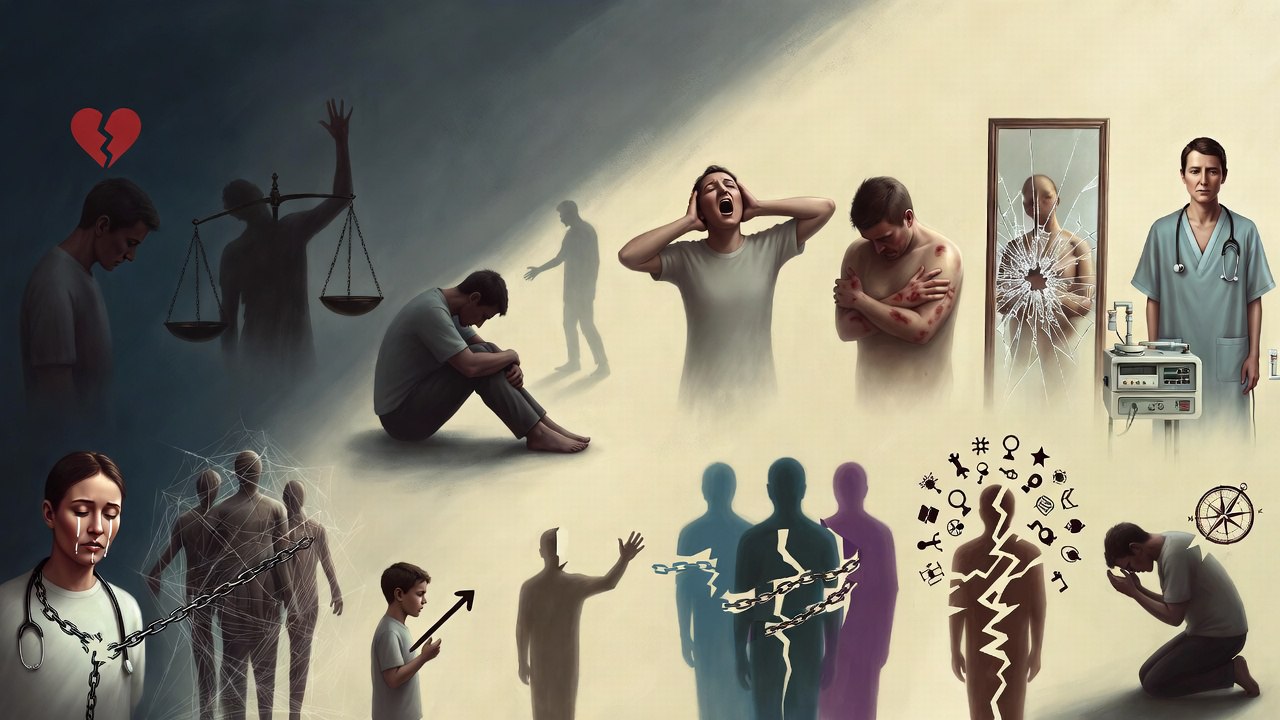
Trauma can manifest in myriad ways, often leaving deep imprints on our emotional, psychological, and physical well-being. While many associate trauma with dramatic events like accidents or violence, it can also stem from subtler experiences that erode trust, self-worth, and security over time. In this in-depth article, we explore 15 distinct types of trauma, drawing from established psychological frameworks. Each section delves into the definition, common symptoms, relatable examples, and practical self-help tips to support recovery. Remember, healing is a personal journey, and these insights are meant to empower you while encouraging professional guidance where needed.
1. Betrayal Trauma
Betrayal trauma arises when someone we deeply trust,such as a partner, family member, or authority figure,violates that trust through deception, infidelity, or abuse. This type of trauma is particularly insidious because it often involves dependency on the betrayer, leading the brain to suppress or rationalize the harm as a survival mechanism. Symptoms may include dissociation, flashbacks, anxiety, depression, emotional numbness, difficulty concentrating, and challenges in forming new trusting relationships.
Examples: Imagine discovering your long-term spouse has been secretly involved in an affair for years; the shock not only shatters your marriage but leaves you questioning your judgment in all relationships. Another case might involve a child abused by a trusted caregiver, who later struggles with self-blame and intimacy issues in adulthood, often staying in toxic dynamics to avoid confronting the original betrayal.
Self-Help Tips:
- Practice journaling to acknowledge and validate your feelings without judgment, helping to rebuild self-trust.
- Engage in mindfulness exercises, like guided meditations, to ground yourself during emotional triggers and reduce dissociation.
- Set small boundaries in daily interactions to gradually restore your sense of safety and autonomy.
2. Injustice Trauma
Injustice trauma occurs when individuals experience or witness unfair treatment, discrimination, or systemic wrongs that undermine their sense of equity and dignity. It often stems from power imbalances, leading to a profound sense of helplessness and rage. Symptoms can include anxiety, depression, hypervigilance, emotional dysregulation, physical ailments like headaches, and a pervasive distrust of institutions or authority.
Examples: A person wrongly accused and convicted of a crime spends years in prison before exoneration, emerging with deep-seated anger toward the legal system that affects their ability to reintegrate into society. Or consider an employee repeatedly passed over for promotions due to bias, leading to chronic stress and self-doubt that spills into personal life, making them withdraw from social circles.
Self-Help Tips:
- Channel emotions through creative outlets, such as writing or art, to process feelings of unfairness and reclaim your narrative.
- Practice deep breathing techniques to manage immediate anger or anxiety spikes, fostering emotional regulation.
- Seek out supportive communities or groups that validate your experiences, reducing isolation.
3. Rejection Trauma
Rejection trauma develops from repeated experiences of being dismissed, excluded, or criticized, often in formative years, leading to a heightened fear of abandonment or criticism. It can mimic rejection sensitive dysphoria, with symptoms like intense emotional pain from perceived slights, low self-esteem, social withdrawal, anxiety, depression, and difficulty in relationships.
Examples: A child constantly bullied at school for their appearance grows into an adult who avoids job interviews out of fear of rejection, limiting career opportunities and perpetuating isolation. In another scenario, someone ends a friendship after a minor disagreement, interpreting it as total abandonment, which echoes childhood experiences of parental neglect.
Self-Help Tips:
- Use positive affirmations daily to challenge negative self-talk and build self-worth.
- Engage in grounding exercises, like the 5-4-3-2-1 technique, to stay present during rejection triggers.
- Gradually expose yourself to low-stakes social situations to desensitize the fear response.
4. Abandonment Trauma
Abandonment trauma stems from real or perceived loss of a key attachment figure, often in childhood, fostering deep insecurity and fear of being left alone. Symptoms include emotional instability, clinginess, low self-worth, trust issues, fear of intimacy, and patterns of self-sabotage in relationships.
Examples: A person whose parent left the family abruptly as a child may enter adult relationships with extreme jealousy, constantly testing their partner’s loyalty, which often leads to the very abandonment they fear. Another example is an adoptee who, despite a loving home, grapples with subconscious feelings of unworthiness, avoiding deep commitments.
Self-Help Tips:
- Maintain a consistent routine for self-care, like regular exercise, to build internal security.
- Practice self-compassion through meditation to soothe inner fears of unworthiness.
- Journal about past losses to identify patterns and reframe them positively.
5. Emotional Abuse Trauma
Emotional abuse trauma results from sustained verbal attacks, manipulation, or neglect that erode one’s sense of self. Symptoms encompass anxiety, depression, low self-esteem, emotional numbness, difficulty expressing needs, and chronic self-doubt.
Examples: Growing up with a parent who constantly belittles achievements, an adult might downplay their successes at work, fearing ridicule, which hinders professional growth. In a romantic context, a partner subjected to gaslighting questions their reality, leading to isolation from friends who notice the changes.
Self-Help Tips:
- Surround yourself with affirming people to rebuild your emotional support network.
- Engage in hobbies that bring joy, distracting from negative rumination.
- Set personal goals to foster a sense of accomplishment and autonomy.
6. Physical Abuse Trauma
Physical abuse trauma involves harm or threats to the body, often in domestic or childhood settings, leading to hypervigilance and physical health issues. Symptoms include PTSD-like flashbacks, chronic pain, sleep disturbances, anger outbursts, and avoidance of touch.
Examples: A survivor of domestic violence flinches at sudden movements years later, affecting intimacy with new partners. A child beaten by a caregiver might develop aggressive behaviors in school, mimicking learned patterns.
Self-Help Tips:
- Incorporate physical activity, like yoga, to reconnect with your body safely.
- Use relaxation techniques, such as progressive muscle relaxation, to ease tension.
- Create a safe home environment to promote feelings of security.
7. Sexual Trauma
Sexual trauma arises from assault, harassment, or coercion, profoundly impacting one’s sense of safety and bodily autonomy. Symptoms may feature shame, dissociation during intimacy, anxiety, depression, substance use, and relationship difficulties.
Examples: A victim of date rape avoids social gatherings, fearing vulnerability, which leads to loneliness. In childhood cases, survivors might experience confusion about consent, entering unbalanced relationships as adults.
Self-Help Tips:
- Practice boundary-setting exercises to reclaim control over your body.
- Engage in therapeutic writing to express unspoken emotions.
- Build a support system of trusted individuals for validation.
8. Medical Trauma
Medical trauma occurs from distressing healthcare experiences, such as invasive procedures or misdiagnoses, often evoking helplessness. Symptoms include panic in medical settings, avoidance of care, PTSD responses, distrust of providers, and somatic complaints.
Examples: A patient who endured a painful surgery without adequate pain management develops anxiety attacks during routine check-ups. A child with chronic illness might fear hospitals, delaying necessary treatments in adulthood.
Self-Help Tips:
- Prepare for appointments by listing questions to regain control.
- Use visualization techniques to imagine positive outcomes.
- Advocate for yourself by seeking second opinions when needed.
9. Vicarious Trauma
Vicarious trauma affects those exposed to others’ traumas, like therapists or first responders, through empathy overload. Symptoms involve emotional exhaustion, cynicism, intrusive thoughts, sleep issues, and worldview changes.
Examples: A counselor hearing daily abuse stories begins experiencing nightmares and detachment from personal relationships. A journalist covering disasters feels overwhelming guilt and helplessness.
Self-Help Tips:
- Establish work-life boundaries to prevent burnout.
- Debrief with peers after intense exposures.
- Pursue restorative activities, like nature walks.
10. Complex Trauma
Complex trauma results from prolonged, repeated exposure to traumatic events, often interpersonal, like ongoing abuse. Symptoms include emotional dysregulation, negative self-perception, relational difficulties, dissociation, and chronic shame.
Examples: A person in a long-term abusive relationship emerges with fragmented identity, struggling to trust even kind gestures. Childhood in a dysfunctional home leads to adult patterns of self-harm.
Self-Help Tips:
- Build a daily routine for stability.
- Practice self-soothing techniques, like warm baths.
- Track progress in a journal to recognize growth.
11. Developmental Trauma
Developmental trauma happens during critical growth periods, disrupting normal emotional and cognitive development. Symptoms feature attachment issues, impulsivity, learning difficulties, anxiety, and poor self-regulation.
Examples: Neglect in infancy leads to adult attachment disorders, where relationships feel threatening. Exposure to family violence affects school performance and peer interactions.
Self-Help Tips:
- Engage in play therapy-inspired activities for inner child healing.
- Learn emotional regulation skills through apps or books.
- Foster nurturing self-talk to counteract early deficits.
12. Attachment Trauma
Attachment trauma emerges from inconsistent or harmful caregiving, impairing the ability to form secure bonds. Symptoms include fear of vulnerability, codependency, avoidance, emotional volatility, and loneliness.
Examples: A child with an unpredictable parent avoids closeness in friendships, preferring superficial connections. In romance, they oscillate between clinging and pushing away.
Self-Help Tips:
- Read about attachment styles to gain insight.
- Practice consistent self-care to model secure attachment inwardly.
- Slowly build trust in low-risk relationships.
13. Intergenerational Trauma
Intergenerational trauma is passed down through families via behaviors, epigenetics, or narratives from ancestors’ experiences. Symptoms may manifest as unexplained anxiety, depression, hypervigilance, and repeated family patterns.
Examples: Descendants of war survivors exhibit unexplained fears, affecting parenting styles. Families with history of addiction perpetuate cycles without direct cause.
Self-Help Tips:
- Explore family history through conversations or genealogy.
- Use mindfulness to break automatic responses.
- Seek cultural or community rituals for healing.
14. Cultural Trauma
Cultural trauma affects groups through collective events like oppression or displacement, impacting identity and belonging. Symptoms include loss of cultural pride, internalized shame, anxiety, and social disconnection.
Examples: Indigenous communities facing historical land loss experience ongoing grief, affecting mental health across generations. Immigrants dealing with assimilation pressures lose touch with heritage.
Self-Help Tips:
- Reconnect with cultural practices for empowerment.
- Join affinity groups for shared understanding.
- Advocate for community causes to transform pain.
15. Moral Injury
Moral injury occurs when actions or events violate one’s ethical beliefs, often in high-stakes environments like military or healthcare. Symptoms involve guilt, shame, loss of meaning, anger, spiritual distress, and social withdrawal.
Examples: A soldier forced to make life-altering decisions in combat struggles with self-forgiveness, leading to isolation. A doctor during a crisis who couldn’t save patients feels profound betrayal of their oath.
Self-Help Tips:
- Reflect on values through ethical journaling.
- Engage in acts of service to restore purpose.
- Practice forgiveness meditations for self-compassion.
If you’re resonating with any of these traumas and seeking personalized support to navigate your healing journey, I invite you to reach out. As Dr. Nadia, I offer compassionate, evidence-based therapy sessions tailored to your needs. Contact me today to schedule a consultation and take the first step toward reclaiming your well-being.
If this wisdom resonated with you, consider supporting the mission.


Bibliography
- 17 Types of Trauma – Goodsky Mental Health Retreat – https://www.goodsky.com.au/ptsd/types-of-trauma
- 12 Very Common Examples of Trauma – Ipseity Counseling in Denver – https://ipseitycounselingclinic.com/2019/09/03/examples-of-trauma
- Types Of Trauma – https://traumapractice.co.uk/types-of-trauma
- Trauma Types | The National Child Traumatic Stress Network – https://www.nctsn.org/what-is-child-trauma/trauma-types
- The Different Types of Trauma Explained – Talkspace – https://www.talkspace.com/blog/types-of-trauma
- Analyzing the Different Types of Trauma and their Impact on Mental Health – https://www.jneuropsychiatry.org/peer-review/analyzing-the-different-types-of-trauma-and-their-impact-on-mental-health-18175.html
- Psychological trauma – Wikipedia – https://en.wikipedia.org/wiki/Psychological_trauma
- Glossary of terms: A shared understanding of the common terms used to describe psychological trauma, version 3.0 – Canada.ca – https://www.canada.ca/en/public-health/services/reports-publications/health-promotion-chronic-disease-prevention-canada-research-policy-practice/vol-43-no-10-11-2023/glossary-common-terms-psychological-trauma-version-3-0.html
- Different Types of Trauma: Small ‘t’ versus Large ‘T’ | Psychology Today – https://www.psychologytoday.com/us/blog/trauma-and-hope/201703/different-types-trauma-small-t-versus-large-t
- Trauma During Adulthood | International Society for Traumatic Stress Studies – https://istss.org/public-resources/trauma-basics/trauma-during-adulthood
- 7 Trauma Response Types & How to Recognize Them – Positive Psychology – https://positivepsychology.com/trauma-response
- Big T vs. Little t Trauma in Young Adults: Is There a Difference? – Newport Institute – https://www.newportinstitute.com/resources/mental-health/big-t-little-t-trauma
- Types of mental health problems | Effects of trauma – Mind – https://www.mind.org.uk/information-support/types-of-mental-health-problems/trauma/effects-of-trauma
- Glossary of terms: A shared understanding of the common terms used to describe psychological trauma, version 3.0 – PMC – PubMed Central – https://pmc.ncbi.nlm.nih.gov/articles/PMC11386910
- Trauma and Violence – What Is Trauma and Its Effects? – SAMHSA – https://www.samhsa.gov/mental-health/trauma-violence
- Understanding Trauma Types: Acute, Chronic and Complex | Lifeskills Behavioral Health – https://lifeskillsbehavioralhealth.com/blog/trauma-types-acute-chronic-complex
- Types of Psychological Trauma – Centre for Interpersonal Relationships – https://cfir.ca/about/blog/types-of-psychological-trauma
- Exploring Different Types Of Trauma: A Comprehensive Guide – https://resilientmindcounseling.com/exploring-different-types-of-trauma-a-comprehensive-guide
- Discover Types of Trauma – YouTube – https://www.youtube.com/watch?v=0EWlSJC6nFQ
- Trauma and teenagers – common reactions | Better Health Channel – https://www.betterhealth.vic.gov.au/health/healthyliving/trauma-and-teenagers-common-reactions
- Betrayal Trauma: Causes, Symptoms, Impact, and Coping – https://www.verywellmind.com/betrayal-trauma-causes-symptoms-impact-and-coping-5270361
- What is Betrayal Trauma – Dr. Jill Manning – https://drjillmanning.com/betrayal-trauma
- Betrayal Trauma: Signs and How to Start Healing – Healthline – https://www.healthline.com/health/mental-health/betrayal-trauma
- Do I Have Betrayal Trauma? 26 Symptoms To Know For Sure – https://www.btr.org/26-symptoms-of-betrayal-trauma
- 6 Stages of Betrayal Trauma with Examples – https://thebtrc.com/stages-of-betrayal-trauma
- Injustice Trauma: Individual and Collective Distress | Psychology Today – https://www.psychologytoday.com/us/blog/healing-sexual-trauma/202006/injustice-trauma-individual-and-collective-distress
- The 5 Soul Wounds – 5. The wound of Injustice | Light Centre – https://lightcentre.com/the-5-soul-wounds-5-the-wound-of-injustice
- Perceived injustice of trauma: Longitudinal prediction of traumatic stress symptoms following the October 7th attack and subsequent war – ScienceDirect – https://www.sciencedirect.com/science/article/pii/S0165032725021445
- What is Injustice Trauma? | Icarus in NM | Get Help Today – https://icarusbehavioralhealth.com/blog/what-is-injustice-trauma
- Unraveling the Layers: Understanding Injustice Trauma | Grouport Journal – https://www.grouporttherapy.com/blog/what-is-injustice-trauma
- Rejection Trauma | CPTSDfoundation.org – https://cptsdfoundation.org/2022/02/07/rejection-trauma
- Rejection Trauma | Charlie Health – https://www.charliehealth.com/post/rejection-trauma
- Rejection Sensitive Dysphoria: 10 Signs You Might Have RSD and 5 Ways to Manage It – https://www.newportinstitute.com/resources/mental-health/rejection-sensitive-dysphoria
- Rejection Sensitive Dysphoria (RSD): Symptoms & Treatment – Cleveland Clinic – https://my.clevelandclinic.org/health/diseases/24099-rejection-sensitive-dysphoria-rsd
- 12 Common Signs of Abandonment Trauma – Psychology Today – https://www.psychologytoday.com/us/blog/invisible-bruises/202406/12-common-signs-of-abandonment-trauma
- Coping With Traumatic Events – National Institute of Mental Health (NIMH) – https://www.nimh.nih.gov/health/topics/coping-with-traumatic-events
- Emotional and Psychological Trauma – HelpGuide.org – https://www.helpguide.org/mental-health/ptsd-trauma/coping-with-emotional-and-psychological-trauma
- PTSD and CPTSD self-help guide – NHS inform – https://www.nhsinform.scot/illnesses-and-conditions/mental-health/mental-health-self-help-guides/ptsd-and-cptsd-self-help-guide
- Coping after a traumatic event – Royal College of Psychiatrists – https://www.rcpsych.ac.uk/mental-health/mental-illnesses-and-mental-health-problems/coping-after-a-traumatic-event
- How to deal with PTSD triggers: Seven tips for self-care | HCA Midwest Health – https://www.hcamidwest.com/healthy-living/blog/how-to-deal-with-ptsd-triggers-seven-tips-for-self-care
- 10 Self-Care Tips for Healing Through Trauma – Howdy Health – https://howdyhealth.tamu.edu/10-self-care-tips-for-healing-through-trauma
- 13 strategies for processing trauma in your daily life | Guidelight Health – https://guidelighthealth.com/13-strategies-for-processing-trauma-in-your-daily-life
- Types of mental health problems | coping with trauma – Mind – https://www.mind.org.uk/information-support/types-of-mental-health-problems/trauma/coping-with-trauma
- Coping with Traumatic Stress Reactions – PTSD – https://www.ptsd.va.gov/gethelp/coping_stress_reactions.asp
- 7 Tools for Managing Traumatic Stress | NAMI: National Alliance on Mental Illness – https://www.nami.org/blog/7-tools-for-managing-traumatic-stress
If this wisdom resonated with you, consider supporting the mission.


Stay in the loop
Join the circle and be the first to know when a new article is published or a new free e-book drops.
No spam. No selling your details. Just meaningful updates, when there's something worth sharing.
Unsubscribe anytime, one click, no questions asked.
You're in, welcome! 🌸
You'll hear from Nadia when something new is ready for you, a fresh article, a new e-book, or a moment of wisdom worth passing on.