 Personal Growth
 The Importance Of Creating A Sanctum Sanctorum For Oneself
Introduction
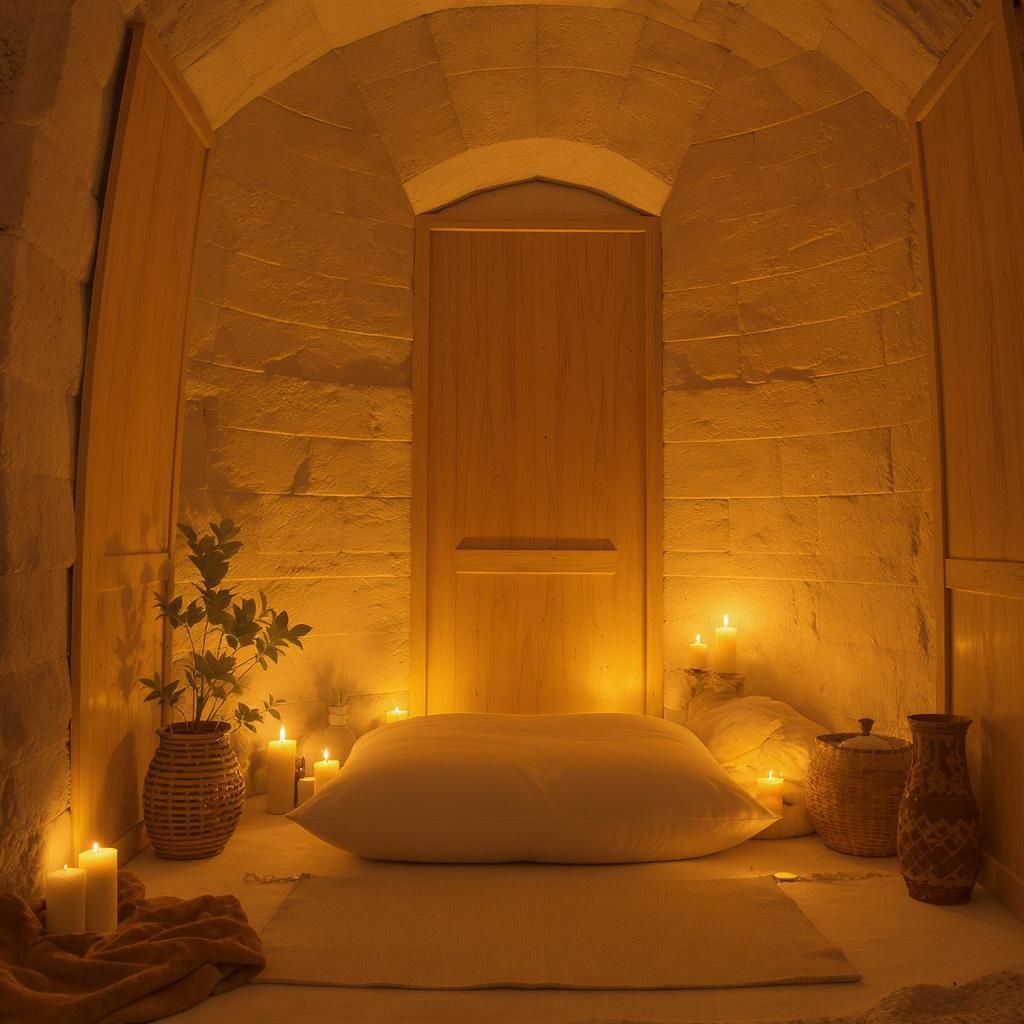
In its original Latin meaning, “sanctum sanctorum” translates to “holy of holies,” a term historically used in religious contexts to describe the innermost, most sacred chamber of a temple, accessible only to a select few for profound reflection and communion. For the layperson today, it simply refers to a personal sacred space—a dedicated corner, room, or even a metaphorical retreat in one’s home or life where you can escape the chaos of the outside world, unwind, reflect, and engage in activities that nourish your soul, free from interruptions or judgments.
The Psychological and Emotional Benefits
Creating such a space is not merely a luxury but a vital practice for mental and emotional well-being in an increasingly connected and demanding world. Psychologically, a sanctum sanctorum fosters self-awareness by providing uninterrupted time for introspection, allowing individuals to explore their thoughts and emotions without external influences. This solitude can reduce stress levels significantly, as it offers a break from social pressures and overstimulation, leading to lower cortisol production and improved emotional regulation. Emotionally, it builds resilience and independence, helping people develop a stronger sense of self by freeing them from the constant demands of others. Research from psychologists highlights how solitude enhances creativity and personal growth, turning alone time into an opportunity for self-exploration and meaningful insights.
Cultivating Autonomy and Boundaries
One key benefit is the cultivation of autonomy. In a personal sanctum, you make the rules—deciding what enters the space, how it’s used, and when it’s accessed—which reinforces a sense of control over your life. This autonomy strengthens self-determination, where time alone is not endured but chosen for enjoyment and growth, leading to greater overall life satisfaction. For instance, individuals with higher autonomy often report better mental health outcomes, as they feel empowered to pursue their interests without compromise. Closely tied to this is the establishment of boundaries, which a sanctum sanctorum naturally encourages. By designating a space as off-limits, you signal to others—and yourself—the importance of personal limits. As author Gina Greenlee notes, “Honoring your own boundaries is the clearest message to others to honor them, too.” This practice not only protects your energy but also promotes healthier relationships, as clear boundaries reduce resentment and foster mutual respect.
Privacy, Authenticity, and Safe Space
Privacy emerges as another profound advantage, providing the emotional bandwidth to process life’s experiences in solitude. In a hyper-connected era, privacy acts as a buffer against constant scrutiny, allowing for authentic emotional expression and recharge without fear of judgment. It safeguards mental well-being by preserving an “inner space” for reflection, reducing cognitive overload from external data and opinions. Authenticity thrives here too; without the need to perform for others, you can embrace your true self, leading to deeper self-acceptance and reduced anxiety from social masks. A sanctum becomes a safe space—a psychological haven where vulnerability is welcomed, fears can be confronted, and healing occurs. This aligns with findings that solitude, when self-chosen, contributes to well-being by offering a refuge for creativity and connection with one’s inner world.
Broader Life Improvements
Beyond these, the benefits extend to broader life improvements. For example, regular use of such a space can enhance focus and productivity, as it minimizes distractions and allows for deep work or hobbies. It also supports emotional balance by serving as a tool for stress management, where rituals like journaling or meditation can reset your mood. In essence, a sanctum sanctorum is a cornerstone of self-care, empowering individuals to navigate life’s complexities with greater clarity and strength.
How to Create Your Own Sanctum Sanctorum
To create your own sanctum sanctorum, start with practical, doable actions. First, designate a specific area in your home—it doesn’t need to be large; a corner of a room, a nook under the stairs, or even a comfortable chair by a window will suffice. Consider factors like natural light, quietness, and ambiance to ensure it feels inviting. Next, clear the clutter: Sweep, dust, and remove unnecessary items to create a clean, intentional environment that symbolizes mental clarity. Personalize it with meaningful objects—an altar or shelf with photos, candles, books, or plants that resonate with you—to infuse it with positive energy. Set an intention for the space, such as “This is my place for peace and reflection,” to guide its use.
Establishing and Maintaining Boundaries
Establishing boundaries is crucial to maintain its sacredness. Communicate clearly with household members: Explain the purpose of the space and request they respect it by knocking before entering or avoiding it during your designated times. Use physical cues like a closed door, a sign saying “Do Not Disturb,” or even curtains to visually reinforce limits. Schedule regular “sanctum time” in your routine, treating it as non-negotiable, and politely but firmly redirect intrusions. Over time, consistency will teach others to honor your space, mirroring how you honor it yourself.
Conclusion
In conclusion, carving out a sanctum sanctorum is an act of self-empowerment that yields lasting psychological and emotional rewards, from heightened autonomy and privacy to authentic living in a safe haven. By implementing these steps, anyone can build this essential retreat and protect its integrity through strong boundaries.
Further Reading & Resources
- 10 Benefits of Spending Time Alone for Mental Health
- Why is Personal Space Important? Guide to Healthy Boundaries
- The Benefits of Solitude | Psychology Today
- The benefits of solitude – American Psychological Association
- The Power of Privacy: Why Being Private Is Healthy in a Hyper-Connected World
- Why smarter people tend to feel lonelier, according to psychology
- Psychologist reveals 3 major benefits of being alone – New York Post
- Who enjoys solitude? autonomous functioning (but not introversion)
- What Is the Connection between Personal Privacy and Mental Well-Being?
- everyday solitude time both benefits and harms well-being – Nature
- Creating a Sacred Space at Home with Kristine Lo | All Sorts Of
- How to DIY Your Own Sacred Space – Wanderlust
- How to Create a Sacred Space Where Magic Happens – Karen Tasto
- How to Create a Sacred Space In Your Own Home | DharmaCrafts
- Creating A Sacred Space: A Guide To Finding Peace And Harmony
- Alter or Sacred Space in a hectic home : r/SASSWitches – Reddit
- 12 Inspirational Quotes About Boundary Setting – Medium
- How to Set Healthy Boundaries & Build Positive Relationships
If this wisdom resonated with you, consider supporting the mission.


Stay in the loop
Join the circle and be the first to know when a new article is published or a new free e-book drops.
No spam. No selling your details. Just meaningful updates, when there's something worth sharing.
Unsubscribe anytime — one click, no questions asked.
You're in — welcome! 🌸
You'll hear from Nadia when something new is ready for you — a fresh article, a new e-book, or a moment of wisdom worth passing on.